
EV Fast Charger Installation Perth
Your car is not getting enough charge overnight. EV fast charger installation in Perth starts with a charging rate that suits your driving and the power your property can spare.
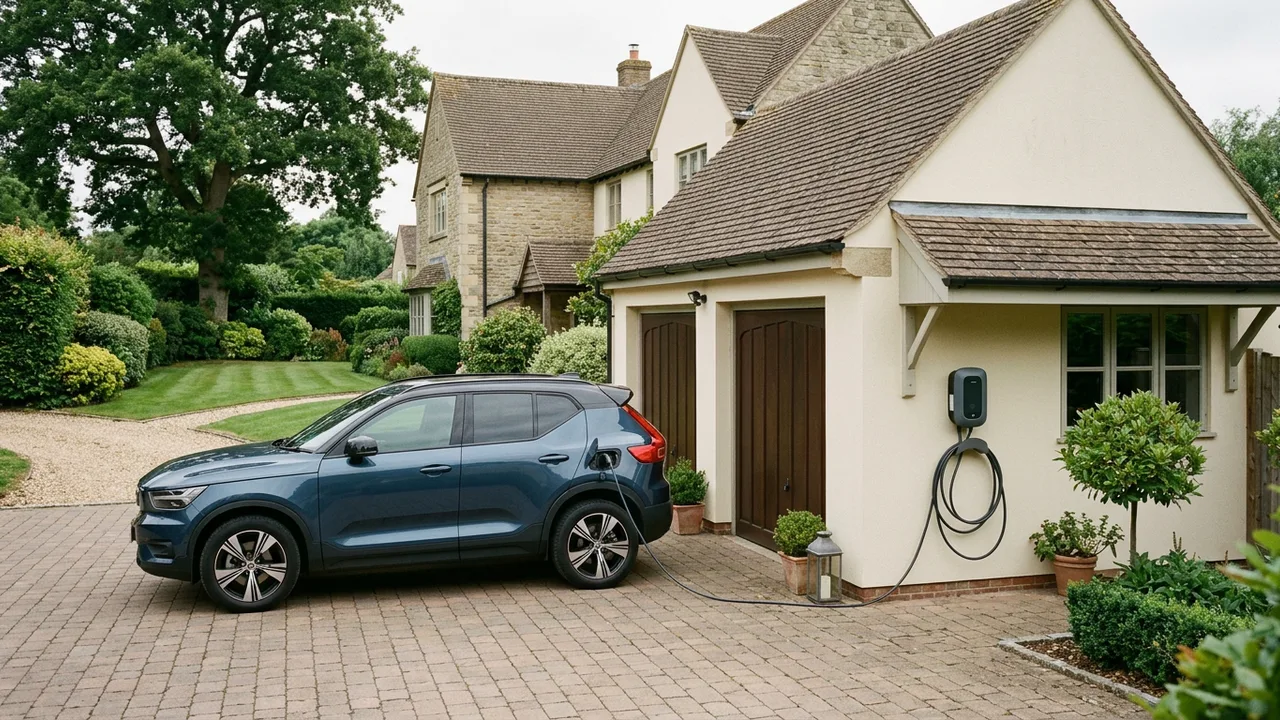
Faster charging starts with the power your property can spare, not the charger you have your eye on. A faster unit draws more current, so the switchboard, the supply and the cable run to your parking spot all have to cope. An electrician works that out on site, and the answer decides what faster charging is realistic for your car.
EV fast charger installation in Perth: what your property needs
Faster charging depends on what your car can accept, what the charger delivers and what your property can supply. Any one of them can cap the speed.
WA Government guidance recommends having an electrician assess household wiring before adding the charging load. In an apartment car bay, a shared supply can limit the power available to a new charger.
Across Perth and nearby suburbs, including Northbridge, East Perth and West Perth, the starting point is the power available at your parking space.
Does your site have enough power for faster charging?
A permitted charger connection still has to fit within your property's power limit on the Western Power network. Under Western Power's connection rules, permission for a 7kW single-phase charger remains subject to the site's maximum demand. Maximum demand is the most electricity your property can draw at one moment.
For example, a charger may fit within the available power when used alone but exceed it while your oven and air conditioner are running. Load controls can reduce charging while those appliances draw power, if the equipment supports that arrangement.
That could change the quote from a supply upgrade to a charger with suitable load controls. Sharing power this way can mean slower charging while household demand is high.
Does your electric car need three-phase charging?
Three-phase charging can suit a car that accepts a higher AC charging rate, provided your property has enough available power. Single-phase supplies power through one live conductor. Three-phase uses separate live conductors and can support a larger charging load.
Your car has its own onboard charger that limits how fast it takes AC power, so a three-phase unit can sit partly unused.
If your home is single-phase and you want three-phase charging, a phase conversion may be needed. That is a distinct piece of electrical work with its own cost, and it may involve the network operator.
EV chargers that suit your car
A charger you already bought may suit your car, but the connector and electrical rating need assessment before installation. A compatible connector alone does not mean your property's supply can support the unit's full output.
A good result is a charger that refills your car overnight and leaves your household load alone.
Solar owners have another option. Chargers with app scheduling can charge during the hours your panels produce power. A timed schedule follows the clock, while a solar-surplus setting adjusts charging to the spare solar power available, where the equipment supports it.
What drives EV fast charger installation cost
Installation can cost more than the charger when the site needs work. The price has three parts: the charger itself, the installation, and any electrical upgrades. Keeping them apart shows you where the money goes.
The cable run is a major variable. A short run from the board to a nearby wall generally needs less labour. A long run, a concrete slab to cross or a route through a ceiling adds labour. Cable can often travel outside the house or through the roof space, so opening walls is not a given.
A switchboard that needs new protection or a phase upgrade adds to the total. A fixed quote sets the agreed scope.
Plug-in, wall-mounted or pedestal chargers
Wall-mounted chargers suit a garage or carport with a solid wall beside the parking spot. Pedestal-mounted units suit open bays, driveways and car parks without a wall. Plug-in units rely on a suitable power point, which limits how much power they can deliver.
Whichever style fits, the charger needs clear floor and wall space around it. The cable should reach your charging port without stretching or lying where it can be driven over. In an apartment car park, the allocated bay and the building's own supply determine what is possible.
DC fast charging for business parking
DC fast charging may suit business vehicles that need to recharge during short stops between trips. It converts power outside the car and can support higher charging rates when the vehicle accepts them. This is a commercial installation option, with supply upgrades and approvals potentially adding to the work.
Testing your charger before regular use
The electrician tests the new circuit and brings the charger into service. System commissioning includes checking that your car communicates with the charger and accepts the expected charging rate. Where load controls are fitted, the electrician also checks how charging responds as other electrical loads change.
Fixed electrical work needs an appropriately licensed electrician. For a project review, include your parking location and how much charging you need between trips.
How it works
-
Site survey
The electrician assesses the proposed charging load alongside the power your property already uses.
-
Scope and quote
The quote separates charger equipment and installation from any switchboard work or incoming supply upgrade.
-
Installation
The electrician mounts the charger, runs the cable and fits the protection the circuit needs.
-
Testing and handover
Charging settings and any load controls are tested, with their operation covered at handover.
Scope in detail
- Charging between trips The charge your car needs during each stop helps determine if faster AC charging is enough or DC charging is worth considering.
- Room to add chargers At a workplace or fleet car park, the proposed number of charging bays affects how the available power is shared.
- Equipment you already own A charger bought before the site survey needs its electrical rating assessed against the supply at your parking space.
- Charging from solar A charger that responds to spare solar output works differently from one that only follows a timed schedule.
EV fast charger installation options
- Home AC fast charging A faster wall-mounted or pedestal charger on a single-phase or three-phase supply, sized to your car.
- Commercial and fleet charging Several AC chargers for a workplace, strata car park or vehicle fleet, with the load shared across the supply.
- DC fast charging for larger sites High-power charging for depots and commercial sites, where approvals and supply upgrades may affect the work.
EV fast charger installation across Perth
Frequently Asked Questions
Is a survey needed before EV fast charger installation in Perth?
How long does a commercial fast charger installation take?
Which mounting style suits a fast charger at my Perth property?
Get it priced
Need charging where you park? Request help with an installation that suits your home.
Send through the details and we'll get the ball rolling.